

What Happens If My Home Goes to Foreclosure? (Step-by-Step)
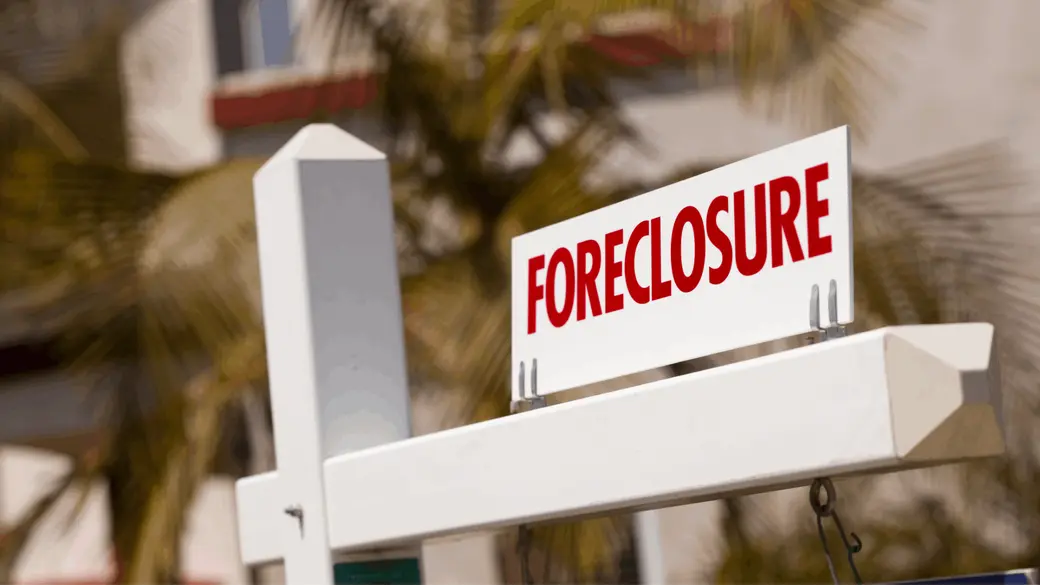
Foreclosure is among the most stressful words a homeowner can hear. Most people do not fully understand the mechanics of the process. It often feels final, scary, and overwhelming. The truth is that foreclosure is a series of legal stages rather than a single event. Understanding this timeline provides you with the power to make informed decisions.
Let’s walk through the actual sequence of events so you know exactly where you stand.
Step 1: Missed Payments and Initial Delinquency
Foreclosure usually starts quietly. It begins when a homeowner misses a monthly mortgage payment. At this point, the lender adds late fees to the account, and the internal collection department begins sending letters or making phone calls. During this first stage, you still maintain full control. No public record of the missed payment exists yet, and no legal action has been filed. While the stress is real, this is actually the most effective time to take action and explore solutions.
Step 2: Formal Notices of Default
After approximately 90 days of missed payments, the lender moves beyond simple collection calls. They will send formal legal documents such as a Notice of Default or a breach letter. These documents officially record the delinquency. Receiving these letters means the lender is warning you of potential legal action. However, the foreclosure has still not happened. You still have a window of time to respond, negotiate, or seek a specialized sale.
Step 3: Public Foreclosure Filing
If the situation remains unresolved, the lender will move to the public phase. This involves filing foreclosure paperwork with the court or recording a lis pendens in public records. Once this occurs:
- The filing becomes visible to the public, which may result in an influx of mail from investors.
- Neighbors or local businesses might become aware of the legal status of the property.
- The pressure increases significantly, though you still technically own the home.
Selling the property remains a viable option to satisfy the debt at this stage.
Step 4: The Critical Deadline Phase
Once the foreclosure is filed, timelines become the most important factor. Options begin to shrink as court dates or sale deadlines approach. A proactive decision at this stage is vital. Selling the home via a short sale may be possible, but it requires fast action and professional coordination. Waiting and hoping for the best is a strategy that almost always leads to a loss of equity and control.
Step 5: The Foreclosure Sale
If no intervention occurs, the process ends at the foreclosure sale or auction. At this point, ownership of the property transfers to a new buyer or reverts to the bank. Once the sale is finalized, you lose control of the asset. Credit damage becomes severe, and an eviction process may follow shortly after. This is the outcome that most homeowners can avoid if they act during the earlier steps.
The Real Cost of Foreclosure
Foreclosure impacts your life far beyond the loss of a roof. Potential consequences include:
- Credit Score Impact: A drop of 100 to 150 points is common, making it difficult to rent or buy a vehicle for years.
- Future Housing: Many landlords and property managers filter out applicants with a foreclosure history.
- Personal Stress: The emotional toll on families during public legal proceedings is often profound.
- Financial Loss: Foreclosure often costs more than a sale in the long run due to accumulating fees.
Why Lenders May Prefer a Short Sale
Lenders generally do not want to own your house. On average, a bank loses a significant percentage of the home's value during a foreclosure due to legal fees, maintenance, and the risks of a vacant property. A cooperative short sale often allows the lender to reduce these losses and resolve the issue faster. This is why alternatives exist for those who address the problem early.
Taking Control of the Timeline
Foreclosure is not sudden, and it is rarely inevitable. The most important factors are timing and action. The earlier you understand where you are in the process, the more choices you keep. If you are concerned about your mortgage, do not ignore the notices. Reach out to a CSSE expert to consult on your specific situation. You can still protect your future by acting while you have the legal right to do so.
Protecting Your Future Starts Today
Facing a potential foreclosure is a heavy burden, but you do not have to navigate the legal complexities alone. As a Certified Short Sales Expert (CSSE), I specialize in helping New Jersey and New York homeowners find exit strategies that preserve their credit and provide a fresh start.
If you have received a Notice of Default or are struggling to keep up with payments, let’s discuss your options before the clock runs out.
Contact us today for a confidential consultation and take the first step toward regaining your peace of mind.
Barbara Pagella, Coldwell Banker Realty
REALTOR® | Broker Associate
Phone: 973.418.3516
Email: bpagellarealtor@gmail.com
Website: www.dprex.com
Categories
Recent Posts






Broker License ID: NJ0748961/NY10401337142
+1(973) 418-3516 | bpagellarealtor@gmail.com