

Short Sale vs. Foreclosure: Which Is the Better Option for You?

Facing a mortgage crisis is one of the most stressful experiences a homeowner can endure. When monthly payments become impossible to manage, the situation often feels like a trap. Most people believe they only have two paths: wait for the bank to take the house or try to sell it.
While both outcomes involve leaving the property, the long-term consequences for your financial future and your peace of mind are vastly different. Understanding the mechanics of a short sale versus a foreclosure is the first step toward reclaiming control over your life.
What Is a Foreclosure?
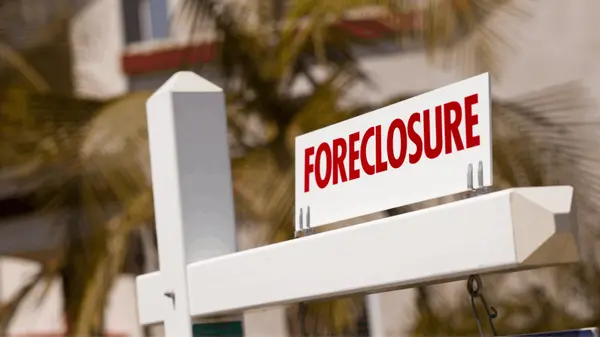
Foreclosure is a legal process where the lender reclaims a property because the borrower has failed to meet the terms of the mortgage. This is an involuntary transfer of ownership. Once the legal proceedings conclude, the home is typically sold at a public auction or becomes "Real Estate Owned" (REO) by the bank.
The Reality of Foreclosure:
-
Public Record: Foreclosures are public legal proceedings, which can be seen by future employers, landlords, and lenders.
-
Strict Timelines: The bank dictates when you must vacate. This leads to a reactive lifestyle where you are constantly waiting for the next notice.
-
Forced Eviction: If the homeowner does not leave by the specified date, the local sheriff may carry out a physical eviction.
-
Limited Recourse: Once the gavel falls at an auction, your options to negotiate the debt are usually gone.
What Is a Short Sale?
A short sale occurs when a lender agrees to let a homeowner sell the property for less than the total amount owed on the mortgage. This is a "pre-foreclosure" strategy that requires the lender's approval but is initiated by the homeowner.
The Benefits of a Short Sale:
-
Active Participation: You hire a real estate agent, list the home, and review offers just like a traditional sale.
-
Debt Resolution: A successfully negotiated short sale often includes a waiver of the "deficiency balance," meaning the bank agrees not to pursue you for the leftover debt.
-
Dignity and Privacy: Neighbors generally won't know the sale is a short sale; it looks like any other "Sold" sign on the block.
-
Relocation Assistance: Some government programs and private lenders offer cash incentives to help homeowners transition to a new rental.
Control vs. Uncertainty
The primary difference between these two paths is agency. In a foreclosure, decisions are made for you by a court or a bank. In a short sale, you are the one driving the process. You work with a professional to find a buyer, which allows you to stay ahead of deadlines. Maintaining this level of control is essential for reducing the emotional trauma associated with losing a home.
Credit Score Impact and Financial Recovery
A common myth is that both options destroy your credit equally. While both will cause a significant dip in your score, the recovery period differs.
-
Foreclosure: A foreclosure is a "heavy" derogatory mark. It can stay on your credit report for seven years and may prevent you from getting a conventional mortgage for up to seven years.
-
Short Sale: While it shows up as "settled for less than the full amount," the impact is often less severe. Many homeowners find they can qualify for a new mortgage in as little as two to three years, depending on their overall credit health.
Why Lenders Often Prefer Short Sales
It might seem strange that a bank would accept less money than they are owed. However, lenders are not in the business of owning houses. Foreclosures are expensive; they involve legal fees, property maintenance, and the risk of the home being damaged while sitting vacant.
A short sale allows the bank to "cut their losses" and get the non-performing loan off their books quickly. This is why having a Certified Short Sale Expert (CSSE) is critical. These professionals understand the specific language and documentation banks require to approve an offer.
Common Myths to Ignore
-
"I’ve already received a Notice of Default, so it’s too late." It is rarely too late until the actual auction occurs. Many sales close just days before a scheduled foreclosure.
-
"The bank won't talk to me." Banks are often more willing to talk to a third-party expert than the homeowner directly.
-
"A short sale is a scam." A short sale is a legitimate real estate transaction recognized by all major lenders and the IRS.
Take Charge of Your Future
Foreclosure is something that happens to you, while a short sale is a choice you make to protect your future. If you are behind on your mortgage, the most dangerous decision is doing nothing. Taking a proactive step today gives you the flexibility and dignity needed to start over on your own terms.
If you are facing a difficult financial situation and want to explore your options in New Jersey or New York, reach out for a confidential consultation. As a Short Sale Specialist, Barbara provides the guidance and expertise needed to navigate these complex transactions and help you move forward with confidence.
Barbara Pagella, Coldwell Banker Realty
REALTOR® | Broker Associate
Phone: 973.418.3516
Email: bpagellarealtor@gmail.com
Website: www.dprex.com
Categories
Recent Posts




Broker License ID: NJ0748961/NY10401337142
+1(973) 418-3516 | bpagellarealtor@gmail.com